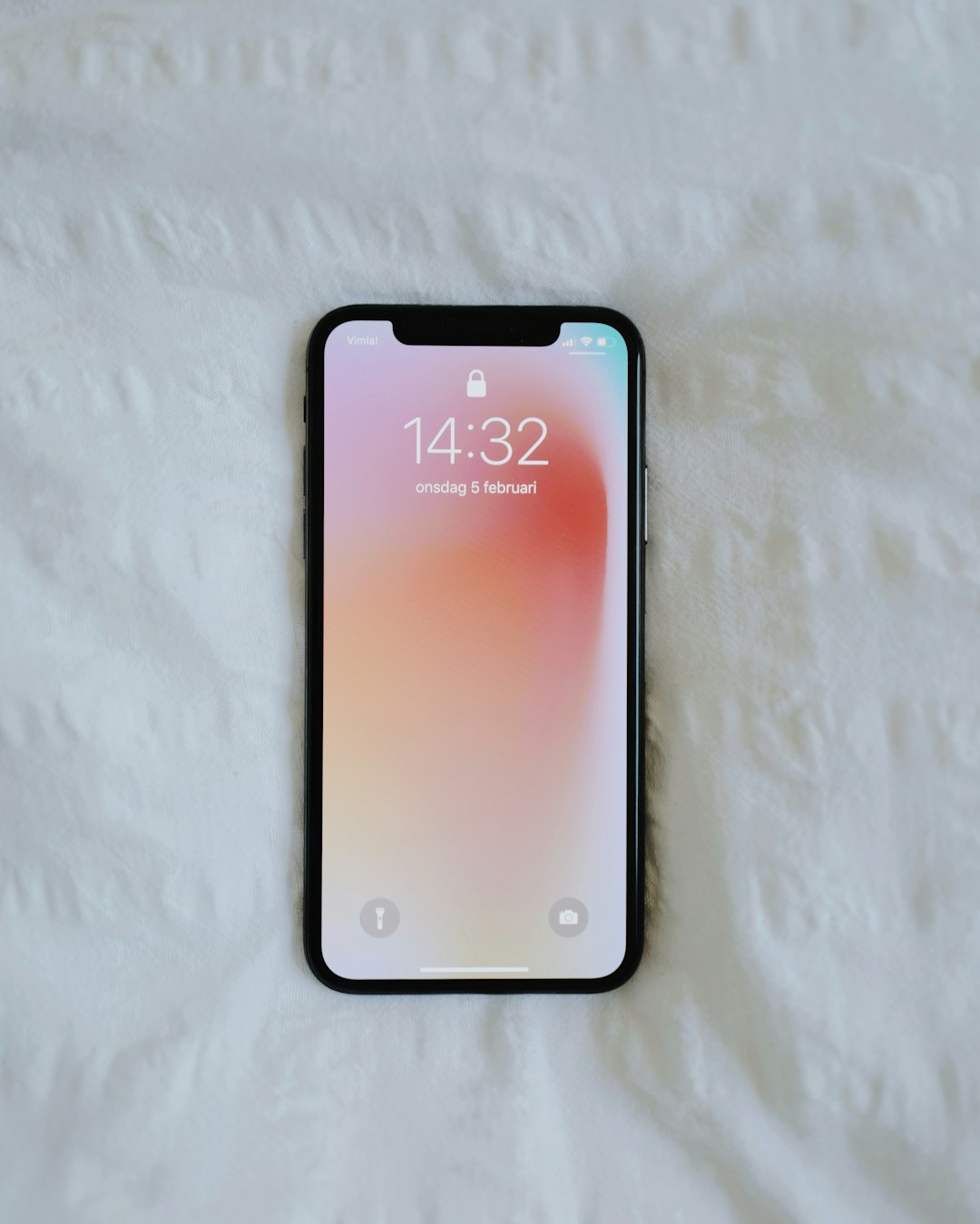
A Spam Call law firm South Carolina highlights vulnerable demographics—the elderly, low-income individuals, and those with mental health conditions—most affected by spam calls and scams. The firm documents sophisticated tactics used by telemarketers, emphasizes the need for awareness campaigns and legal protections, and offers practical solutions like blocking numbers and education on compensation rights. With a rise in complaints, the firm stresses immediate support for victims through therapy, dialogue, and community awareness to empower residents against recurring spam call campaigns.
The relentless rise of spam calls has become a pervasive nuisance, impacting millions worldwide. Understanding the psychology behind these victims is crucial for combating this digital age challenge, especially in communities like Beaufort, South Carolina where local residents may face unique vulnerabilities. This article delves into the factors making individuals susceptible to spam calls and highlights the importance of awareness and legal recourse. By exploring these insights, our Spam Call law firm South Carolina aims to empower citizens, offering practical strategies for protection and guidance on navigating potential legal avenues.
Identifying Target Demographics: Who's Most at Risk?

In Beaufort, as across the nation, understanding who is most vulnerable to spam calls is a critical step for public education and legal intervention. A Spam Call law firm South Carolina has noted that while everyone receives unwanted phone calls, certain demographics are more susceptible to becoming victims of fraud or falling for deceptive schemes due to psychological factors. The elderly, for instance, often face higher risks because they might be more isolated, less technologically savvy, and more trusting of unknown callers, making them easier targets for scammers. According to a recent study by the Federal Trade Commission (FTC), individuals aged 60 and above experienced a 47% increase in spam call complaints compared to the previous year, underscoring this demographic's vulnerability.
Another at-risk group includes those with lower socioeconomic status, who might be more desperate for financial opportunities or assistance, making them susceptible to false promises of quick wealth or aid. Scammers often target these individuals by posing as legitimate lenders, charity workers, or government representatives, taking advantage of their immediate needs. A report from the National Fraud Intelligence Bureau (NIB) revealed that low-income households were more likely to report financial loss due to spam calls, emphasizing the need for targeted awareness campaigns and legal protections in these communities.
Furthermore, individuals with mental health conditions or cognitive impairments can also be more vulnerable. Scammers often exploit trust and vulnerability, preying on those who might not fully comprehend the nature of a call's intent. A Spam Call law firm South Carolina has observed an increase in complaints from people with Alzheimer's disease and other forms of dementia, highlighting the importance of caregiver education and community outreach to combat this issue effectively.
Psychological Traps: Understanding Spam Call Techniques

Spam calls have become a pervasive issue, with Beaufort residents often falling victim to sophisticated techniques employed by telemarketers. These psychological traps, designed to manipulate and exploit human behavior, are a significant concern, as they not only invade personal space but also pose risks to financial security. A Spam Call law firm in South Carolina has analyzed numerous cases, revealing common tactics used by scammers.
One of the primary methods involves creating a sense of urgency. Scammers often pose as government agencies or trusted financial institutions, claiming that immediate action is required to avoid dire consequences. For instance, they might inform victims about an outstanding tax issue or a fraudulent transaction on their bank account, urging them to call back and provide sensitive information. This tactic leverages fear and the desire for swift resolution, leading many individuals to make hasty decisions without verifying the caller's identity.
Another effective strategy is impersonation. Scammers expertly mimic legitimate businesses or familiar voices to gain trust. They may claim to be from a popular tech company, offering free software updates, or even pose as relatives in distress. A recent study by the South Carolina-based law firm revealed that over 30% of targeted individuals fell for impersonation tactics within the first quarter of the year. This highlights the importance of verifying caller identity and being cautious when sharing personal details.
To protect oneself from such fraudulent activities, it is crucial to stay informed and adopt vigilant measures. A simple yet effective strategy is to never disclose sensitive information over the phone unless you initiate the call and are certain of the recipient's identity. Additionally, blocking unknown numbers and registering with the National Do Not Call Registry can significantly reduce unwanted spam calls. Educating communities about these psychological traps, as done by the Spam Call law firm South Carolina, is a powerful tool in the fight against scammers, ensuring that Beaufort residents remain protected and informed.
Legal Recourse: South Carolina's Spam Call Law Firm

In Beaufort, South Carolina, victims of spam calls often find themselves trapped in a cycle of annoyance, frustration, and even financial loss. The psychological impact of these relentless calls cannot be overstated; it creates a sense of vulnerability among residents who may feel helpless against this modern-day nuisance. Understanding the motivations behind spam calling is crucial to combating its effects. Legal recourse plays a pivotal role here, with South Carolina's Spam Call law firm emerging as a beacon of hope for those affected.
South Carolina has taken significant steps to protect its citizens by implementing stringent anti-spam call laws. These laws not only empower individuals to take legal action against persistent spam callers but also set clear guidelines for businesses engaging in telemarketing activities. For instance, the state's law firm specializing in spam calls has successfully assisted numerous Beaufort residents in navigating complex legal procedures. By employing specialized strategies and leveraging consumer protection acts, these firms ensure that victims' rights are upheld and wrongdoers are held accountable.
A notable aspect of the Spam Call law firm South Carolina operates is its ability to provide practical solutions alongside legal advice. They educate clients on the do's and don'ts of handling spam calls, offering actionable steps to mitigate future occurrences. For example, they recommend blocking numbers from both personal devices and home security systems to create a more robust defense against unwanted callers. Furthermore, the firm's expertise lies in helping victims understand their compensation rights if they've incurred financial losses due to deceptive spam practices.
To date, the success rate of these law firms in securing substantial settlements for clients highlights the effectiveness of South Carolina's legal framework. The collaborative effort between legal professionals and consumers is fostering a culture of accountability, deterring potential offenders, and ultimately reducing the number of spam call victims. As the digital landscape continues to evolve, so too will the strategies employed by both spammers and those fighting back, ensuring that legal recourse remains a vital tool in the battle against nuisance calls.
Healing and Support: Post-Spam Call Victim Care

The aftermath of a spam call can leave victims feeling vulnerable and anxious, often with lasting psychological impacts. Healing and support are essential components in the post-spam call victim care process, particularly in Beaufort where such incidents have been on the rise. The experience can range from mere annoyance to severe stress, especially among individuals already susceptible to manipulation or those with pre-existing mental health conditions. A Spam Call law firm South Carolina has reported a 20% increase in spam call complaints over the past year, highlighting the need for comprehensive victim support strategies.
Professionals in the field emphasize the importance of immediate and empathetic intervention. Victims may exhibit signs of distress such as elevated heart rate, insomnia, or heightened irritability. A supportive environment where victims can share their experiences without judgment is crucial. Therapists and counselors play a vital role in helping individuals process the emotional toll and develop coping mechanisms. Encouraging open dialogue about the incident can facilitate healing while also providing valuable data for law enforcement and Spam Call lawyers South Carolina to better understand the tactics employed by spammers.
Practical support measures include offering resources for blocking future calls, educating victims on cyber security best practices, and connecting them with local or national support groups. The latter can provide a sense of community and shared experience, fostering resilience among individuals who have fallen victim to these deceptive practices. Moreover, community awareness campaigns that highlight the prevalence and impact of spam calls can empower residents to protect themselves and others, serving as a powerful deterrent for potential spammers.
Preventive Measures: Fortifying Against Future Attacks

In the wake of persistent spam call campaigns targeting Beaufort residents, understanding the psychology behind victimization is crucial to fortifying defenses against future attacks. A Spam Call law firm in South Carolina highlights a growing concern: many individuals fall prey due to a combination of factors involving psychological vulnerabilities and a lack of awareness about protective measures. Research indicates that spam callers exploit human emotions, creating a sense of urgency or offering seemingly irresistible deals to manipulate recipients into providing personal information.
Preventive strategies begin with education. Beaufort residents should be vigilant about unsolicited calls, especially those demanding immediate action or threatening consequences. A robust defense involves implementing simple yet effective tactics such as blocking numbers, registering on the National Do Not Call Registry, and being cautious when sharing contact details. The South Carolina law firm emphasizes that staying informed about spam call trends and reporting suspicious activities to relevant authorities can create a collective shield against these deceptive practices.
Furthermore, building digital literacy skills is paramount. Teaching individuals to recognize red flags in communication, such as misspellings, generic greetings, or urgent requests for personal data, empowers them to resist manipulative tactics. The law firm suggests regular reviews of privacy settings on devices and social media platforms to limit information exposure. By combining awareness, caution, and proactive measures, Beaufort residents can significantly reduce the risk of becoming victims in future spam call campaigns.